Rabu, 25 Mei 2016

How To Become A Web Designer

How To Become A Web Designer

Info About Web Designers
Some Info About Web Designers

The role of the web designer, is to create the 'look and feel' of a website. What this actually involves can vary, depending on the size of team the designer is part of, or the type of company they are working for or where the designer is working alone or in a very small team.

The designer must combine creativity with an awareness of the tools, techniques, processes and technologies that will be used to build the website. The role sometimes also overlaps, or may even be merged with, that of the web developer or programmer, especially in smaller companies or teams.

Designers may be employed in permanent positions within a company, or may work on a freelance basis. Among freelancers, there tends to be most demand for those who are both good designers and have good all round technical expertise.

What is the job?

A web designer produces visuals of user interfaces, using software such as Adobe Photoshop or Illustrator. They usually follow a design brief that may be given as verbal instructions, a written specification or 'wire-frame' diagrams.

The designer will normally produce a separate visual for each type of screen within the product, for example the home page, first-level and lower-level pages of the website. As a minimum, these visuals must show the sites' layout, colour scheme, typography and any images or other features. However, they usually also specify, either through annotations or additional visuals, how interface elements should respond to interaction by visitors to the website. For example, this might include specifying colour or style changes for links that are clicked or rolled over, or designing animated buttons or menus.

Designers must prepare designs in a way that allows them to be easily implemented by developers programmers. This means designs must be appropriate for their intended purpose and visuals must be provided in the right format and at the correct size and resolution. Sometimes the roles are combined, with the designer-developer or designer-programmer being responsible for implementing their own designs, especially where the entire interface is animated or where a HTML and CSS based web design approach is being used.

Skills Needed:

If you want to become a web design the key skills that you will need include...

  • Good drawing and diagramming ability.
  • Knowledge of relevant design, image manipulation, and asset optimisation software.
  • Good interpersonal communication skills, especially when dealing with specialists in other disciplines.
  • Ability to manage time, prioritise tasks and work under pressure.
  • Knowledge of the requirements of the relevant Health and Safety legislation and procedures.
  • Basic HTML and CSS knowledge to allow you to work better with web developers.


Typical career routes

The job tends to be divided into various levels of seniority, based mostly on experience. As a general rule, the greater the seniority, the more responsibility the designer will have for the overall user experience, including the design of navigation, features and functionality. At junior levels, Designers tend to be tasked with only some aspects, typically the visual styling, of the interface.

There are no typical career routes, but many web designers come from a traditional design background, such as graphic, print or information design. Sometimes they combine this with experience or study in a more technical subject, such as computer science, engineering, mathematics or psychology. It is this combination of creative and technical disciplines that tends to set the best web designers apart and enables them to progress into more senior positions.

Essential knowledge and skills
Designers need creativity and artistic flair but also a certain amount of technical understanding. The nature of web design means that they must often design within many unknown or variable parameters, for example, the user's screen size, or the amount of content to be included on a web page.

The designer must therefore be able to identify these factors and think laterally so as to produce flexible designs that work correctly in a range of circumstances. They need to understand usability issues, the principles of interaction design, and any user-interface standards that are relevant to the website.

Training and qualifications

Although there are now various specialist web design courses available, many designers' qualifications are in more traditional art-related subjects. Architecture and product design are particularly useful backgrounds, as they tend to encourage the combinations of creative and technical thinking that web design requires, design in its broadest sense. Experience is generally valued most, however, and a good portfolio of web design work is essential.


Baca selengkapnya

Principles of Design

The Principles of Design

It is recommended that you read the notes on Design Elements before reading these notes as some of the terms used here are explained in that section.

There are 5 basic concepts or theories in the area of design, collectively known as the principles of design; they are Balance (Alignment), Rhythm (Repetition), Proportion (Proximity), Dominance (Emphasis) and Unity (Harmony). Theses principles are sometimes know by different names hence the brackets.They represent the basic rules of how to arrange a composition and create a successful design. In order words they guide us in the way we arrange the elements of design. Sometimes we look at an image or object and we find it aesthetically pleasing or easy on the eye but we may not quite understand why. The reason is that one or more of the principles of design are at work. These principles can be applied regardless of the style or genre of the design being created..

Balance:

Balance refers to the arrangements of design elements within a composition, how they relate to each other and the overall composition. Elements can have different visual weights dependent on their size, shape or colour and if positioned poorly they can unbalance a composition. There are two types of balance - symmetrical and asymmetrical.

Symmetrical balance
Symmetrical balance

Symmetrical balance is where the weight of a composition is evenly distributed either side of the centre point of the composition, usually horizontally or vertically (although radial symmetry is also possible).

Asymmetrical balance

Asymmetrical balance is where the weight of a composition is not equally distributed (but is still visually balanced). This is much harder to judge than symmetrical balance but can be more visually interesting.


Contrast:

Contrast refers to the arrangement of opposite elements in a piece so as to create visual interest, excitement and drama. This can be done in a variety of ways such as through light vs. dark colours, rough vs. smooth textures, large vs. small shapes, etc.

design principle contrast
contrast

Dominance / Emphasis:

Dominance (also known as emphasis) may seem similar to proportion but is actually more to do with the visual weight of an element. The dominant part of a composition is the one that stands out the most or appears closest to you. There are 3 stages of dominance: dominant, sub-dominant and subordinate.
principles of design dominance
dominance in weight and positioning

Dominant is the primary object/area, the one with the most visual weight, usually appearing in the foreground.

Sub-dominant refers to the secondary object/area, usually found in the middle ground of the composition.

Subordinate objects/areas carry little visual weight and usually appear to recede into the background of the composition.


Rhythm:

Rhythm can create a sense of movement in a composition by repeating or alternating elements (often but not always in a pattern). There are 3 main types of rhythm, each defined by their suggested meaning or the feeling they evoke in the viewer.

Progressive Rhythm
Progressive Rhythm

Progressive rhythm shows a progression of lines or forms to create a sense of moving forward or up.

Flowing Rhythm
Flowing Rhythm

Flowing rhythm implies a more natural sense of movement in a composition through the use or wavy lines or fluid forms usually or unequal size and length.

Regular Rhythm
Regular Rhythm

Regular rhythm is where the elements used are of the same or similar size, length and weight and are positioned in a pattern (usually but not always).


Scale / Proportion:

Proportion (also known as Proximity) is simply the comparative size of elements (usually shapes) relative to each other or the overall composition. Proportion can be used in a composition to create a sense of distance or demonstrate a size difference. Proportion can also be used to create or unhinge the balance in a composition as their visual size and weight will automatically establish themselves in the composition.


Proportion/ Proximity:Proportion/ Proximity:


Unity / Harmony:

Unity refers to the relationship or connection between the various parts within a composition and their relationship or connection to the composition as a whole, it is often achieved by utilising a number of the aforementioned principles. Unity can give a sense of entirety or wholeness to the composition or equally break it up and create a sense of variety or disharmony.

Unity
Unity

An image with good unity will draw the viewer in and focus them around the one area or a few connected areas and generally get the point across very quickly, so are therefore ideal for advertising. Images/compositions without unity can be difficult to read or visually awkward.

Disharmony
Disharmony


Baca selengkapnya

Attention Grabbing Design Techniques

Any Of These Grab Your Attention...? The One that did says a lot about you.

People in modern day society have to deal with an overload of visual material on a daily basis. Advertisers, marketers and designers are now all fighting to get our attention. Ads, poster campaigns, street art, billboards, window displays and even the side of buses are used to promote new products and services. Designers do their best to create well laid out and visually interesting images using the design elements, principles and composition techniques.
But with all that's going on in our own lives and around us how do they stand out from the crowd and grab our attention? Here we discuss 7 commonly used attention grabbing techniques.

Humour:


Funny Image

This is where a funny image, slogan or video is used to make us laugh or smile. It is proven that people tend to remember and retell funny stories, jokes and forward funny e-mails. In this way the product or service is also being remembered. Fun is also a positive image for a company, especially one that is trying to reach a younger audience. What examples can you think of?

Sexy:


Sexy Image

Bet you didn't scroll past that image! This is a simple and straight forward technique where a sexy/beautiful man/woman is used to grab the attention of the viewers. Often the person or people being sexy or scantly clad has absolutely nothing to do with the product or service. For example an ad for bikinis would warrant having a woman wearing a bikini in the ad where as an ad for a car or perfume would not, yet it a a common practice in both.

Surreal:


Surreal Image

This refers to something that appears real but that logic tells you cannot or should not be real. For example should you awake to see a giraffe in your room, your eyes tell you it is real but your mind tells you it is not logical! These type of ads have become more common in recent years with the rise in software technologies such as Photoshop and Final Cut. These has also given life to a new type of internet ad referred to as virals.

Original:


Original Artwork

This is where a totally new idea/image/drawing/buzz word is created. It will stand out from the crowd because it is new and has not been seen before. Sounds simple but it is very difficult to create something totally new that is unlike anything seen before or at least different enough to grab attention.


Bright Colours:


Bright Coloured Attention Grabbing Technique Used In This Advertisement

Red and Yellow are traditionally the brightest colours with red being the brightest during the day and yellow the brightest at night. This is why road signs are predominantly red and yellow. Multinational companies such as McDonalds and DHL use both colours in their logos. Bright tones of all other colours can be just as effective though. For example the marketing material for the International Fleadh 2010 and 2011 in Cavan used vibrant, almost fluorescent cyan, magenta and green.


Shocking:


This technique is fairly self-explanatory in that it uses shocking imagery or language to shock the viewer into paying attention.


Iconic:


Icon (Beyonce) used in this ad image to grab attention

This is where an iconic (instantly recognisable) image, person, symbol or even voice is used to grab attention. Celebrities endorsing products falls into this category but using symbols such as the Nike 'swoosh' or the McDonalds 'golden arches' is also a form of iconic attention grabbing.


Baca selengkapnya

10 Reasons Why You Should Use Blogger To Create Your Website

Blogger is an excellent resource for creating websites

Blogger is for creating blogs not websites, right...? Wrong! Although it may have started out that way, in fact it definitely started out that way, Blogger is now an extremely effective tool to easily and freely create full blown websites. If you don't believe me look at this website ,for example, which was created using Blogger - you wouldn't think it, would you! Even the website you are on now is a Blogger hosted website.

Like WordPress (but better IMHO) it is also an excellent Content Management System (CMS) tool which is just one of the many reasons why web designers should be using it. Unlike WordPress it is totally free with no hosting costs and a free sub-domain name given, there is also no charges or fees for using plugins or connecting to a custom domain. I use it regularly and there are really very few situations where it is not capable of meeting the needs of a client and more often than not it is a better, or at least simpler, option for both me and the client. So before I give away everything in the introduction and here's 10 reasons why Blogger is great for creating websites.

Blogger Is Free

It's free, totally free, ad free, no hosting cost, free sub-domain name provided and is therefore cheaper than everything else. The sub-domain name provided will be yourwebsite.blogspot.com which is fine for a blog but for a professional website it doesn't quite cut it right? Well that brings me to my next point...

Easy Custom Domain Integration

You cannot purchase a domain name directly through Blogger but you can connect your Blogger website with any domain name in a few simple steps, Blogger are even kind enough to provide you with instructions. The old .blogspot address will also redirect to the new domain with the content from your blogger website being displayed under your chosen domain without a visitor being any the wiser. Search engines will use the custom domain name to index the site, meaning it appears as a fully fledged professional website and not a run of the mill blog.

Although domain names are generally quite cheap, as low as $5 for an annual .com license, hosting on the other hand is not as cheap. I have seen hosting costs range anywhere from $50 to $500 a year depending on the amount of space, level of security and other features that a client can require. Blogger, as already mentioned, has no hosting costs. Where's the catch you ask? 

Free Unlimited Hosting

Well, one that used to stop me from using Blogger was that it does not support PHP. But nowadays for contact forms and other standard PHP things there are ways around it such as using JotForm to create and host your form, then embedding it into your Blogger site. Another big one that used to be a problem was that there used to be a limit of 20 static pages per site, but that has since been removed, so there is now unlimited space available which most paid hosting services can't offer. How is this possible you ask, well that brings us nicely to the next point.

It is Run By Google

Blogger is part of the Google family so you are guaranteed a quality and reliable service. But returning to the previous point about storage what a Blogger account also gives you is a Google account and with that comes lots of other free stuff. You see when you set up your blog you will need to create an account, which is actually a Google account (unless you already had one of course) and therefore you simultaneously set up a YouTube account, a Google Drive account, a Google + account, a Gmail account, a Google Calendar account, a Google Places account and much more besides. All of these tools can be used to expand the possibilities for your Blogger website like storing documents (Google Drive), hosting videos (YouTube), arranging or displaying events (Google Calendar) or literally putting your business on the map (Google Maps).

Easy SEO

(SEO is Search Engine Optimisation ) Within Blogger you can also label your blog posts with keywords and submit a specific description to be used by search engines while indexing your website. As a Google product it is also very well coded and hosted on a Google owned server so speed performance is usually very good. As mentioned above a Blogger account comes hand in hand with a Google account and 2 more SEO related tools called Google Webmaster and Google Analytics. Google webmaster allows you to index your Blogger website in the Google search listings and then control various aspects of that listing such as geographic targeting, robots.txt and sitemap.xml settings all the while receiving basic data about your websites performance. Google analytics takes performance data to the next level and allows you to monitor every conceivable detail about your websites performance.


Easy To Learn & Use

Blogger is genuinely very easy to learn and easy to use. It took me about 30 mins to get up to speed with all the main features of Blogger and I honestly could not say the same for WordPress, although that may say more about me as WordPress isn't popular for no reason. But I'm entitled to my opinion, and my opinion is that Blogger is easier to use than WordPress. There are also a wide selection of templates built in to help get you started as well as thousands available for free online from very talented and generous web designers. The layout is clean and simple with the ability to drag and drop the default sections around as well as the numerous widgets which can then be added to personalise your website.

Loads Of Gadgets

There are a wide selection of gadgets within Blogger that can be added to the default header, body, footer sections. Things like site search, follow by e-mail and Ad-sense can simply be selected, edited to suit your needs and then dragged and dropped into the site layout as you see fit. As well as these relatively standard gadgets there is one gadget simply called the HTML/JavaScript Gadget. If you are a web designer or coder and feel restricted by all the templates and standard gadgets this simply allows you to code anything at all to appear in your website. I use it mainly for slideshows and custom menus. Currently there are around 1,000 widgets/gadgets to choose from so there is plenty of choice.

More Than Just Templates

The 'customise' section within Blogger allows you to customise all the default elements of your website, on desktop or mobile, using a WYSIWYG system so even without any coding knowledge you can still personalise your website to the way you want it. As I touched on in the previous point if you don't like templates and standard web gadgets you can still edit the site H.T.M.L. and C.S.S. code of your Blogger website directly to create a unique and original design or just to tweak an existing template or gadget. Within the HTML code there are even 'conditional' sections such as (without the HTML to avoid confusion), if displaying on a mobile device then do x, y and z. This makes it really easy to customise the look of the mobile site option, which I just realised I forgot to mention as another great built in feature of Blogger websites!

Can Be Used As A CMS

This point is really only relevant for web designers/developers. For me and any web designer who already knows how to code a website from scratch anyway one would think that Blogger did not hold much appeal, however the fact is that a Blogger website is easy for a client to update the pages after you have designed them and therefore lends itself very well to being used as a Content Management System. A client simply needs to log into a Google account connected, through the blog's settings, to the website and on each page of the website they will then see little wrench icons at the bottom of each section. They can then click on the icon and use the pop up editor to make the changes they need. The editor is very similar to editing a word document as well as allowing the insertion of videos, images and links with relative ease. So if the client has basic computer skills then they should be fine. It can;t get much simpler than that! And if a client is a little more tech savvy then they can just used the Blogger system directly to edit the website in the same way that you set it up. 


*If you skimmed through and noticed only 9 headings you'll have to read through to discover the hidden 10th reason included in one of the sections - I say hidden but I only remember it as I was writing the article ;)

Baca selengkapnya

Kamis, 05 Mei 2016

Vinyl Wall Art for Interior Design

Vinyl wall art text
Sample vinyl wall art

Introduction

When it comes to design trends, the constantly changing times demand that home owners stay up to date on ‘what’s in’ and what’s out’. Finding things that never go out of style or are easy to replace makes this process easier and helps home owners to keep their rooms up to date and looking great.

One of the most popular and always on trend design trends is to use temporary wall stickers in the home. There are various art stickers used for home decoration, and one of them is vinyl wall art. Vinyl wall art comes in a variety of styles, and it’s easy to find one that’s right for any home. In addition, application and removal are both simple, making this the ideal choice for those who are in temporary living situations or want to change their décor with the seasons and times.

If you are looking for an affordable, practical and original way to decorate your home, these decals could be the right choice for you.


Different Types of Vinyl Wall Art

Vinyl wall arts come in various styles and shapes, and it’s well suited for every room and every wall. Choices include alphabet blocks, balloons, floral designs, favourite sports and entertainment characters and even storks, to name a few. You can find vinyl wall art small enough to fit over a shelf in a tiny bathroom or large enough to cover an entire wall in a child’s bedroom.

The type and style of stickers you choose to use will depend on where you are placing them. For example, if you are decorating a kid’s bedroom, their favourite characters or cartoon animals that match their bedding might be a great choice. If you’re decorating a nursery, simple words, something more whimsical or art that is in line with the theme of your baby shower would be practical.


Where to Use Wall Art Stickers


Vinyl wall art
Vinyl wall art can be used in any room

One of the advantages of using vinyl wall art is the fact that you can use these stickers to decorate any room in your house. That is because they are easy to apply, and they do not leave any marks behind after you remove them. This makes them a perfect choice for those who are renting, people who tend to change their décor often or even in a child’s room where tastes and trends often change with the seasons.

Vinyl wall art is a lovely addition over a group of treasured pictures in a family room to frame out the space and add character to the wall. Motivational phrases and images are wonderful in a home gym, helping exercise buffs to stay on track and keep their hearts pumping. In an adult’s room, a loving phrase hung above the bed reminds the couple to always kiss before they say goodnight. In an office, pictures of nature make it easier to stay indoors when work needs to be done. In the kitchen, use vinyl wall art sparingly to pay homage to the chef, and in the bathroom, add a phrase or two to make your space more spa-like.


How to Apply Vinyl Wall Art

Vinyl wall art decals are not only affordable and easy to get, but they are also easy to apply. Even the novice do-it-yourself enthusiast can easily decorate a room in just a few hours using decorative decals. This is also a great project to get your children to help with, allowing them to experience the excitement of having a hand in decorating their favourite spaces. Here is what you need to do;

1. Start by dusting off the wall or the area where you want to place your vinyl wall art. Do this using a microfibre cloth or a dry rag. Paper towels should be avoided. Apart from getting rid of the dust, make sure that you remove fingerprint oils, and try not to wet the surface while doing this. If the surface is more than just slightly damp, allow it to dry before application. If you’re in a hurry, you can speed along this process with a fan or blow dryer set on low.

2. After cleaning the surface, place the vinyl wall art on your desired location using a backing still. After placing the decal, tape it on both ends. Next, lay the vinyl wall art flat on the hard surface, and start rubbing the surface using a flat piece of plastic, such as a credit card.

3. To see the results peel off the backing paper slowly. When the wax paper sticks to the decal, place it back in the same position and continue rubbing for a few minutes. After a few seconds, you can keep on peeling off the backing paper until you succeed removing the whole of it.

4. If you find that the vinyl wall art has air pockets or bubbles, rub it out lightly using a credit card or other slim piece of plastic. Rub from centre to the edges, moving the bubble along as you go. If some smaller bubbles are too difficult to remove with this process, give your vinyl wall art a day to set and most bubbles will usually disappear.

Purchasing Vinyl Wall Art


Vinyl wall art
Vinyl wall art can add something special to a space

These modern home décors are easy to find, and you can buy them from local paint stores. Another convenient place to shop for vinyl wall art is from online stores. Some big box stores also carry these products, as do speciality children’s stores and boutiques. What matters most is that you find a dealer offering quality vinyl wall art at an affordable price and the selection you’re looking for to decorate each room in your house.

Conclusion

Vinyl wall art is an excellent choice for any room of your home. It brings colour and life to otherwise dull walls and allows you to change the style of your home quickly and easily, any time you’d like. Take some time to explore the many vinyl wall art options available. You just might find that this design trend is quite addictive and something you’ll want to incorporate into every room in your house. If you’re ready for a fun, new look, give vinyl wall art a try.

About the Author

Aric Shelby personally designs high-quality vinyl wall art for use in homes and commercial spaces. With a wide selection of designs at a variety of price points, it’s easy for consumers to find exactly the style they need to make their spaces look spectacular when searching Aric’s designs. Browse them all at vinylcraze.com.


Baca selengkapnya

Selasa, 19 April 2016

Image inside text using Photoshop

finished piece
Finished piece

Step 1.

In Photoshop pen up an image you want to be inside the text

open file in Photoshop
Open file in Photoshop


select image
Select image


Step 2.

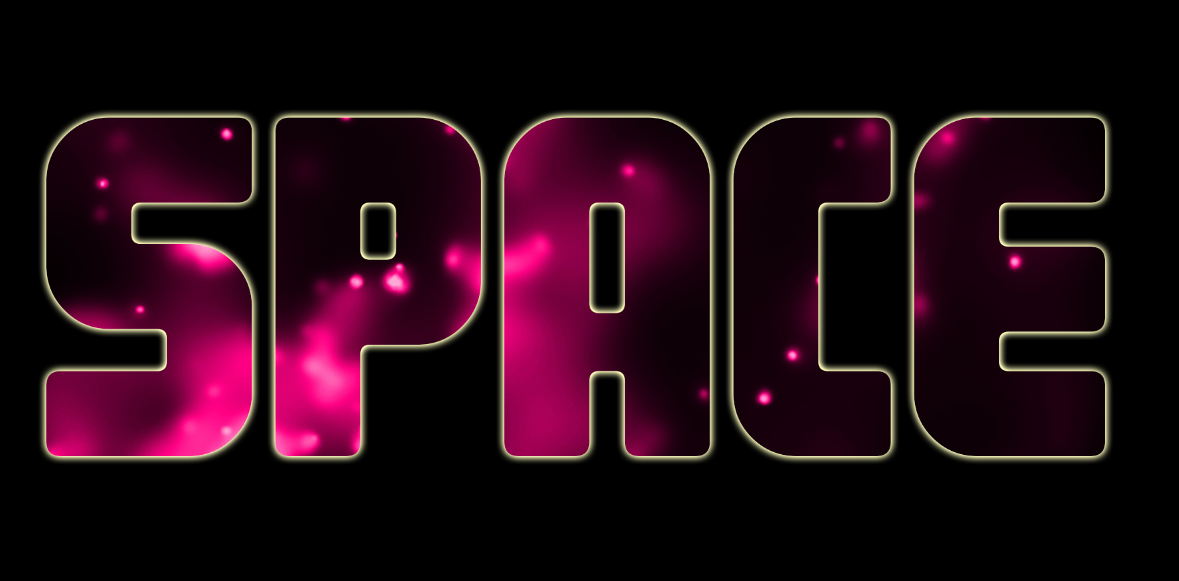
Create a text layer and add some text to it. In this example, I have typed the word 'Space'.


Step 3.

Right click on your image layer, in my case it is 'pink_gallaxy', and select the 'create clipping mask' option from the list that appears.

create clipping mask
Create clipping mask


Step 4.

Add a background colour (if you want) and that's it, simple as that.

Completed text effect with image inside it

Tip: you can left click inside the text and drag the image around to set it up the way you want.

Baca selengkapnya

Sabtu, 09 April 2016

Game Genres

list of game genres
This guide provides a list of all the main video game genres

List of video game genres...

Most games fall within a particular category or genre. Some bridge different gaming styles and, thus, could appear under more than one category simultaneously. Video game genres are used to organize video games based on their game-play interaction rather than visual or narrative differences. For example, a shooter game is still a shooter game, regardless of whether it takes place in a fantasy world or in outer space. This article provides a list of all the main game genres with the features of each genre explained and example given.

The genres discussed in this article are shooter, first person shooter(FPS), adventure, action-adventure, real time strategy (RTS), turn based strategy, role playing games (RPG), massively multiplayer online role playing game (MMORPG), simulation, sports, dance/rhythm, puzzle, platformer, fighting and survival horror.

As with nearly all varieties of genre classification, the matter of any individual video game's specific genre is open to personal interpretation while an individual game can also (correctly) belong to several genres at once.

Shooter Games:


shooter game genre
Do these classic shooter games spark any memories for you...?

One of the oldest genres of video game is the classic shooter. It has roots in the early 60s with Steve Russell's Spacewar! Shooters are games that require the player to blow away enemies or objects in order to survive and continue game play.
Classic shooter game examples include Defender, Galaga, R-Type, Phoenix, Space Invaders, Tempest, Xevious, and Zaxxon

In summary, the main identifying features of a shooter game are...

  • Game objective is to kill/shoot enemies/targets.
  • Weapons and ammo can be collected or upgraded in game.
  • Scoring system based on kills/hits.
  • Simple game objective with very little plot.
  • Specialised gun controllers often used e.g.. Super Nintendo's Duck Hunt.

First-Person-Shooter (FPS) Games:


First-Person-Shooter (FPS) Game Genre
Do you recognise these First-Person-Shooter (FPS) games?

This is an example of a sub-genre that has grown enough to become its own genre. In fact, because of the prevalence of these games, many people use the term "shooter" to refer to first-person-shooters. These games are real time fast-paced action games in which the player navigates an environment from a first-person perspective and, usually, blows everything and everyone away whenever possible. Though this is a relatively new genre (since the early 1990s), it has grown in popularity.
Examples of first-person-shooter franchises include Wolfenstein 3D, Doom, Duke Nukem 3D, Descent, Marathon, GoldenEye, Halo, Quake, and Time Splitters.

In summary, the main identifying features of a FPS game are...

  • Player is “behind the eyes” of the game character.
  • Gameplay is fast paced and typically require actions to be performed reflexively.
  • Large selection of weapons and ammo.
  • Often contain violent and graphic content.

Adventure Games:


adventure game genre
can you identify these adventure games?

Another of the first video game genres, especially from the computer platforms, was the adventure game. These were initially text-based games like Will Crowther's Collossal Cave and the original Zork games. There has always been a strong following for this genre because of the challenge of puzzle-solving and the general lack of violence. This has also made it popular for many non-traditional gaming demographics. In recent years, LucasArts and Cyan have been known for their contributions to the adventure genre.
Examples of adventure franchises include Zelda, Gabriel Knight, Indiana Jones, Maniac Mansion, Monkey Island, Myst, Police Quest, and  Little Big Adventure.

In summary, the main identifying features of an adventure game are...

  • Detailed plot and character background stories.
  • Variety of game objectives/missions.
  • Can usually switch between different camera views (first and third person).
  • Puzzle solving or following clues usually form part of the gameplay.

Action Adventure Games:


action adventure game genre
Do you recognise any of these famous action adventure game characters...?

An action-adventure game is a hybrid game genre that combines elements of the adventure game genre with various action game elements. The classic Tomb Raider and Legend of Zelda games are often said to be the birth place of this genre. It is perhaps the broadest and most diverse genre in gaming, and can include many games which could also be categorized under other narrower genres. However, this all encompassing genre has grown to become one of the most popular game genres of modern times with a mix of puzzle solving, gun toting, fast paced action combined with a detailing and evolving storyline.
Examples of action adventure franchises include Legend of Zelda, Tomb Raider. Uncharted, Grand Theft Auto, Arkham Asylum, Bioshock and Assasin's Creed.

In summary, the main identifying features of an adventure game are...

  • Faster paced and more violent than adventure games
  • Gathering items into inventory.
  • Conversing and learning from Non Playing Characters (NPC's)
  • Puzzle solving or following clues usually form part of the gameplay.
  • Combination of simple adventure controls with reflective actions of action or shooter games

Platform Games:


platform game genre
the platformer genre has remained relatively unchanged throughout the years

It is believed that the platform genre began in 1981 with the release of the games Donkey Kong and Space Panic. Games within this genre are usually identified by navigating environments that require timing and jumping in order to reach a destination while avoiding and/or disposing of enemies. Many of these, like Donkey Kong, have a series of screens, each with its own individual pattern of challenges. As companies began to develop platform games for home consoles and computers instead of arcade machines (i.e. Super Mario Bros for the Nintendo Entertainment system), they took advantage of the evolving processors and greater memory capacity by transcending individual screens and utilizing actively side-scrolling worlds.
Classic platformer games include Pitfall, Super Mario Bros, Sonic the Hedgehog, Super Mario 64, Little Big Planet and Super Mario 3D Land

In summary, the main identifying features of a platformer game are...

  • Gameplay focusses on navigating a level via jumping from platform to platform
  • Timing of jumps and avoiding enemies are also key gameplay features
  • Missing a platform usually results in the death of character and re-spawn.
  • Character usually has lives as opposed to a health bar.

Role-Playing Games (RPGs):


RPG game genre
Have you taken on the role of any of these classic RPG characters?

Evolving from pen-and-paper games like Dungeons and Dragons, RPGs are a special type of adventure game that usually incorporate three major elements: 1) a specific quest, 2) a process for evolving a character through experience to improve his/her ability to handle deadlier foes, 3) the careful acquisition and management if inventory items for the quest (i.e., weapons, armor, healing items, food, and tools). Although these games still have many variations and appearances.
Classic RPG's include Dragon Quest, Final Fantasy Series, Elder Scrolls, Mass Effect and Fallout

In summary, the main identifying features of a RPG game are...

  • Player plays as a single avatar that they customise as the game evolves.
  • Character abilities also evolve and develop as the game progresses.
  • Game objective is usually a large overall quest broken down into smaller missions.
  • Collecting items to an inventory for later use.
  • Meeting and conversing with Non Playing Characters

Massively Multiplayer Online Role Playing Games (MMORPGs):


MMORPG game genre
These MMORPG brands have seen millions of players

A massively multiplayer online role playing game is an evolution of the RPG genre which is set in a persistent virtual world populated by thousands of other players. MMORPGs can be viewed as evolving from text-based MUDs in mid-to-late 1990s. The first highly popular MMORPG was Ultima Online whilst World of Warcraft holds the honour of being the current most popular. Apart from MMOPRGs there are also sizeable communities around online first person shooters and strategy games, e.g. Battlefield 2
Famous MMORPG's include Ultima Online, World of Warcraft, TERA, The Elder Scrolls, Guild Wars, Rift and EVE Online.

In summary, the main identifying features of a MMORPG game are...

  • A high speed internet connection is required to play.
  • Thousands of players online simultaneously.
  • Game is online and active constantly
  • Paid accounts often required to play with in game purchases or upgrades also available.

Puzzle Games:


puzzle game genre
puzzle game screens tend to be bright and colourful

In many ways, puzzle video games are not dissimilar from traditional puzzles in that the main objective is to solve a puzzle. What they offer are unique environments that are not as easily introduced in one's living room. For example, Wetrix enables the player to build up a series of walls that would be able to contain a deluge of water when it falls. Successful completion of a level involves capturing enough water. In recent years the growing popularity has led to a return to prominence for puzzle games with the likes of Candy Crush and Cut The Rope particularly popular.
Other examples include Tetris, Intelligent Qube, Puzzle Bobble, Wetrix, Puyo Puyo, Devil Dice, Mercury, The Room, Candy Crush, Cut The Rope and Wordament
In summary, the main identifying features of a puzzle game are...
  • Objective is to solve a puzzle
  • Intelligent as opposed to skills with game controls are key.
  • Unique situation or setting forms the main game theme.
  • Reaction times can also be tested as the game progresses. eg. Tetris

Simulation Games:


simulation game genre
simulation games can allow you to experience a range of activities from the everyday to the extreme

By their nature, simulations are attempts to accurately re-create an experience. These can be in the form of management simulations like Sim City and Theme Hospital, or more hands on like Microsoft Flight Simulator or Gran Turismo.

Sports Simulation:

Sports simulation games are a genre of video games which attempt to provide the player with a realistic interpretation of playing a specific sport.

Vehicle simulation:

Vehicle simulation games are a genre of video games which attempt to provide the player with a realistic interpretation of operating various kinds of vehicles.

Life Simulation:

Social simulation games base their game play on the social interaction between multiple artificial lives. The most famous example from this genre is Will Wright's The Sims.

In summary, the main identifying features of simulation games are...

  • Replicate a real life experience as best as possible
  • First person view or else controlling an avatar or avatars.
  • Photo realistic graphics often used to enhance real life experience.
  • Intelligent A.I. key to simulating a real life experience.

Real Time Strategy (RTS) Games:


real time strategy game genre
RTS games require tactical and strategic planning alongside the overall gameplay and resource management

Like simulations, strategy games attempt to capture a sense of realism for the game player to experience. Real time strategy games, as the name suggests, have an in game clock and the gameplay events progress in real time which means they can be highly addictive and time consuming. RTS games typically define a number of goals around resource collection, base and unit construction and engagement in combat with other players or computer opponents who also share similar goals.Emphasis is often placed upon managing logistics, resources and production. With the continuing development of online gaming and mobile gaming there has been a rise in multiplayer online mobile RTS games such as Sparta, Clash of Clans and Boom Beach.
Franchises that fall into this genre include Worms, Dune 2, Command and Conquer, Final Fantasy Tactics, Age of Empires, Dawn of War and Clash of Clans

In summary, the main identifying features of strategy games are...

  • Gameplay events occur in real time
  • Gathering and managing resources form key part of gameplay.
  • Player often has a base to defend or a territory to mange and expand
  • Can be played against A.I. or online against other players within the same game map.

Turn Based Strategy Games:


Turn based strategy game genre
have you taken a turn at any of these turn based strategy games?

Like simulations, strategy/tactics games attempt to capture a sense of realism for the game player to experience. However turn-based strategy games as opposed to real time strategy games give the player a greater sense of specific control over a situation without the pressure of a real time clock which can pressure the player into decisions. Turn based strategy games can also be considered an evolution of traditional board games such as monopoly, scrabble, chess and draughts/checkers.
Classic turn based strategy franchises include Civilisation, Total War, Endless Legend, Endless Wonders and Lord of the Realm.

In summary, the main identifying features of turn based strategy games are...

  • Each player (or computer A.I.) take turns to make a move.
  • Logical and tactical gameplay.
  • Building alliances with other players and declaring war on others.

Sports Themed:


sports game genre
the quality and realism of graphics in sports games have improved immensely throughout history

As you can imagine, sports games are those that simulate the playing of sports. Many of these have incorporated novel aspects beyond the games themselves and can therefore not be defined as simulation games. For example, most football video games like the Madden series enable the player to create and customise teams and play them for an entire season. Furthermore, many sports games include management elements beyond the games themselves. There is quite a bit of variety in this genre for fans of the games, the players, and the behind the scenes responsibilities of owning a team. Due to this variety in gameplay a sports theme game can also be correctly categorised into other game genres.
Popular Franchises in the sports game genre include John Madden Football, Tiger Woods’ Golf, Pro Evolution Soccer, Football Manager, Championship Manager and Tony Hawk Pro Skater.

In summary, the main identifying features of a sports themed game are...

  • Replicate a particular sport but with additional features.
  • Often associated with or promoted by a current/past sports personality.
  • Real life clubs and players/athletes feature in the game so fans can play as their favourites.
  • Realistic graphics key to the experience.

Fighting Games:


fighter game genre
Street Fighter, Tekken and Mortal Kombat have been franchise mainstays of the fighter game genre

These titles pit player against player (usually 2 players head-to-head) and involve one triumphing over the other. Many of these games include a single player mode, but the real draw to this genre is the ability to demonstrate one's gaming prowess against a friend.
Examples of franchises in this genre include Double Dragon, Street Fighter, Mortal Kombat, Tekken, Virtua Fighter, Dead or Alive, King of Fighters, and Bloody Roar.

In summary, the main identifying features of a fighting game are...

  • Complex character controls for wide range of player movements
  • One v one battles as part of tournament usually the game structure
  • Increased opponent difficulty as tournament progresses.
  • Player health bar the key HUD element
  • Can be very violent eg. Mortal Combat

Dance/Rhythm Games:


dance and rhythm games genre
this game genre ranges from singing to dancing to playing musical instruments

Many require a specialised controller such as a Floor Mat, the Wii Controller and Balance Board, PlayStation  Move, Xbox Kinect or an adapted musical instrument controller. This grouping of games is differentiated by the timed elements usually synced to music somehow.
Famous examples of this game genre include Parappa the Rapper, Bust a Groove, Frequency, Beatmania, Eyetoy Groove, Dance Central, Just Dance, Guitar Hero, Drums Challenge and Dance Star Party.

In summary, the main identifying features of a dance or rhythm game are...

  • Timing a key part of gameplay.
  • Most physically active of all game genres.
  • Requires a specialised controller.
  • Uses classic and contemporary music tracks within the game.

Survival Horror Games:


survival horror game genre
survival horror games are typically dark and atmospheric environments where enemies are hard to see never mind kill!

As the name suggests, these titles are an interactive evolutionary step of the horror and survival genres and are an example of a hybrid game outgrowing it's origins. The main game play mechanic in these is to "survive" the environment that includes fantastic or supernatural elements that are very frightening and often disturbing. Many of these titles are rated mature because of they are not intended for younger audiences and often include graphic scenes.
Classic survival horror games include Alone in the Dark, Resident Evil, Silent Hill, Dead Space, FEAR, Until Dawn and The Last of Us.

In summary, the main identifying features of a survival horror game are...

  • Usually first person view with atmospheric level design and lighting.
  • Music and sound effects play a bigger part than in other game genres.
  • 'Jump Scares' are a genre specific feature.
  • In game combat not a primary feature with stealth and avoidance of enemies often the preferred approach.

Hybrid Games:

It's important to recognise that many games are not limited to a single genre. Some are the combination of two or more game types. In fact, as gaming evolves, we see lines blurred between genres more frequently than not. Since the introduction of 3D gaming, the action/adventure genre has grown dramatically. It is practically a catch-all category that incorporates 3D games with real time combat and puzzle-solving in a fairly cohesive storyline. Many of these games are also first-person-shooters. Some are 3D platform titles. Another example of a hybrid is Myst. It is both an adventure game and a puzzle game.

Quick Reference Guide...

list of game genres
click to view full size


    Baca selengkapnya